
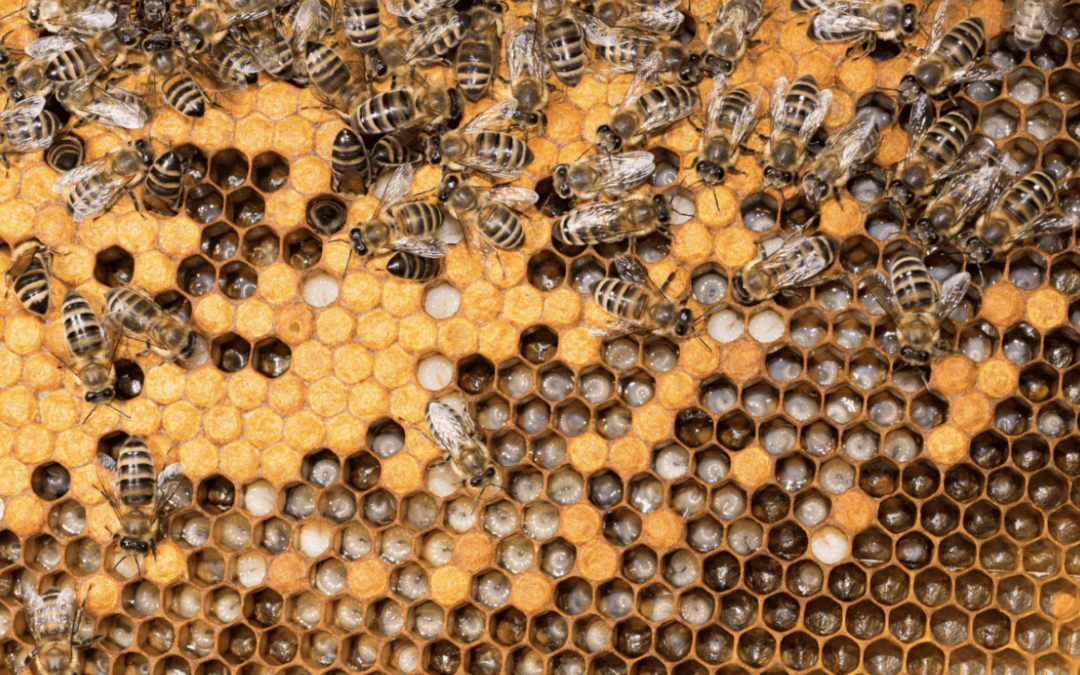
“Do I have a bee hive or just bees visiting my yard?” is one of the most common questions homeowners ask before they call anyone, and it’s a genuinely useful thing to figure out first, since the answer changes what you should actually do next. A few bees drifting through your garden are a normal part of a healthy yard. An established hive is a different situation entirely, and the signs that separate the two are easier to spot than most people expect.
Key Takeaways
- Foraging bees are focused on flowers, water, and food sources, and they don’t linger near one specific structural spot.
- A hive shows a consistent, repeated flight path into and out of one entry point over multiple days.
- Sounds like faint buzzing behind a wall, or staining near an entry point, both point to an established colony rather than passing bees.
- Time of year matters — bee activity increases noticeably in spring and summer as colonies grow.
- When you’re not sure, a professional inspection settles the question quickly and safely.
What Foraging Bees Actually Look Like
Honey bees are social insects that live in organized colonies, and most of the bees you see during the day are worker bees out foraging for nectar, pollen, or water — not investigating your home as a potential nest site. A single colony can send out thousands of foragers who range widely from the hive in search of flowering plants, which is why it’s completely normal to see individual bees moving through a yard, hovering near blooming plants, or investigating a bright-colored object without any hive being nearby at all.
Do I Have a Bee Hive or Just Bees? The Key Signs to Watch For
If you’re trying to answer do I have a bee hive or just bees passing through, look for these patterns over the course of a few days rather than a single afternoon:
- A repeated flight path. Foraging bees move between many different points — flowers, water sources, open doors. A colony creates a consistent, narrow flight line in and out of one specific gap or crevice.
- A specific entry point. Watch soffits, vents, chimney caps, meter boxes, and small siding or stucco gaps. If bees keep returning to the same crack, that’s a strong signal of a hive rather than casual foraging.
- Sound behind a wall or ceiling. A colony generates a low, steady hum as it regulates hive temperature — something you generally won’t hear from bees simply passing through your yard.
- Staining or residue. Dark, sticky drips near a wall or eave often indicate honey or wax breaking down inside a cavity, which only happens with an established colony.
- Persistent presence over weeks, not days. A swarm resting temporarily on a branch or fence post is usually gone within a day or two. A true hive stays and grows.
Why the Season Matters
Bee colonies follow a predictable yearly cycle, growing most actively in spring and summer when food sources are abundant and colonies are working to expand. If you’re noticing a sudden uptick in bee activity during these months, especially concentrated around one part of your home, that’s a reasonable moment to start paying closer attention rather than assuming it will resolve on its own.
What a Temporary Swarm Looks Like (and Why It’s Different)
A swarm is a group of bees, often clustered visibly on a branch, fence, or side of a structure, that’s in the process of searching for a permanent home. Swarms can look alarming because of their size, but they’re often temporary — resting for anywhere from a few hours to a couple of days before moving on, especially if undisturbed. The key difference from an established hive is that a swarm hasn’t built comb or settled into a cavity yet. If the same cluster is still there after a few days, or if it’s disappeared into a wall or attic opening, it’s likely transitioning into an actual colony.
What to Do Once You Suspect a Hive
If the signs point toward an established colony rather than passing bees, the safest next step is a professional look rather than trying to confirm it yourself by getting close to the suspected entry point. AA Beekeeper’s bee inspection process is built around exactly this question — our licensed, bonded, and certified technicians can confirm whether you’re dealing with a hive, estimate its size and age, and lay out what removal would actually involve before any work begins. If it turns out to just be foraging activity, that’s useful to know too, since it means no action is needed at all.
For homeowners who want to browse full details on how removal works once a hive is confirmed, our bee removal services page walks through the process from inspection to structural repair.
Frequently Asked Questions
Can one bee flying near my window mean there’s a hive nearby? Not necessarily. A single bee is often just foraging or momentarily investigating a reflection or scent. Repeated, patterned activity over several days is a much stronger signal than a one-time sighting.
How can I check for a hive without getting close to it? Observe from a safe distance over a few days, watching for a consistent entry and exit point. Avoid approaching, tapping, or spraying the suspected area, since that can provoke a defensive response if a colony is actually there.
Is it possible to have a hive and not notice any sound? Yes, especially early on. A newly established colony is smaller and quieter than a mature one, which is part of why visual signs — flight patterns and staining — are worth checking even if you don’t hear anything.
If I’m still not sure, is it worth paying for an inspection just to find out? It’s often worth a free phone consultation first. Our team can ask a few questions about what you’re seeing and help you judge whether an in-person inspection makes sense before you spend anything.
Get a Clear Answer
If you’ve noticed bee activity and aren’t sure whether it’s a passing swarm or an established hive, don’t wait to find out the hard way. Start with a free phone consultation — describe what you’re seeing, and our team will help you figure out what’s actually happening. From there, we can schedule an in-person inspection, often available same-day or next-day, and give you a transparent estimate if removal turns out to be necessary.