
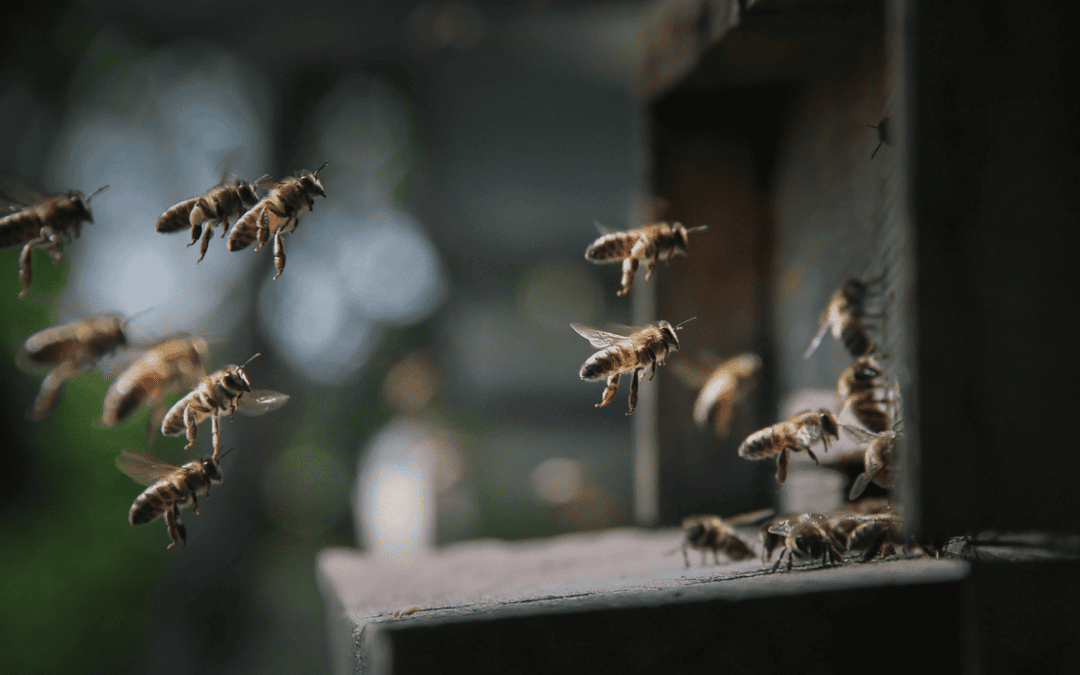
If you’ve ever wondered how fast are bees dangerous once they notice you, the honest answer is: much faster than most homeowners expect. A single bee investigating your yard is rarely a threat. A colony that feels cornered or threatened can escalate from a warning signal to a full defensive response in a matter of seconds. Understanding that timeline — and what triggers it — is the difference between walking away safely and getting caught in a serious encounter.
Key Takeaways
- Individual foraging bees away from the hive are generally not dangerous and have little interest in people.
- Once a colony perceives a threat, the shift from a warning sign to a coordinated attack can happen within seconds.
- Scent plays a bigger role than most people realize — perfume, sweat, and even banana-scented products can provoke a response.
- Vibration and sudden movement near a nest are two of the fastest ways to trigger defensive behavior.
- Professional assessment is the safest way to know whether a hive near your home is a manageable situation or an urgent one.
The Difference Between a Foraging Bee and a Defensive Colony
Most bees you encounter during the day are worker bees out foraging for nectar, pollen, or water, and they’re focused entirely on that task. These bees sting only if directly threatened — stepped on, swatted, or trapped against skin — and otherwise pose little risk. The picture changes entirely once you’re near an actual nest or hive. According to the CDC’s National Institute for Occupational Safety and Health (NIOSH), bees, wasps, and hornets are most active and most defensive during the warmer months, and their nests can be found in trees, under roof eaves, or tucked into equipment and structures — often closer to daily foot traffic than people realize.
How Fast Are Bees Dangerous Once They Feel Threatened?
This is where the timeline compresses fast. Entomologist Dr. Justin Schmidt, who has studied stinging insects extensively, described the warning phase to ABC News: a bee that “bumps into” you isn’t behaving randomly — it’s a guard bee signaling a threat before the rest of the colony responds. That head-butt warning is typically followed within seconds by a much larger group defensive response if the person doesn’t retreat immediately. There is no reliable multi-minute buffer between a warning and an actual attack, which is exactly why immediate, calm retreat matters more than trying to assess the situation further.
What Triggers a Colony to Turn Aggressive
A handful of specific triggers show up again and again in defensive bee encounters:
- Vibration and noise. Lawn equipment, hammering, or even loud footsteps near a hive can be read as a threat.
- Sudden movement. Swatting at a nearby bee signals “attacking predator” rather than “leave me alone.”
- Strong scents. NIOSH specifically recommends avoiding perfumes, colognes, and banana-scented products around bees, since certain scent compounds resemble the alarm pheromone bees release when stinging.
- Sweat. Heavy sweating during outdoor work can also draw more defensive attention from a nearby colony.
- Direct disturbance of the nest. Poking, spraying, or attempting to seal an entrance is one of the fastest ways to provoke a full response.
Why the Response Escalates So Quickly
Bees communicate largely through scent rather than sight. When a bee stings, it releases an alarm pheromone that signals other bees in the colony to join the defense — which is part of why swatting or killing a bee near a hive can make things measurably worse rather than better. This chemical signaling is also why calmly leaving the area, without swatting, is more effective than trying to “win” the encounter.
What to Do If You’re Caught in a Fast-Escalating Situation
If a colony starts to respond defensively, the safest move is the simplest one: leave, quickly and directly, without stopping to fight or investigate. Get indoors or into a vehicle if possible, and once you’re clear, address any stings — NIOSH’s guidance is to scrape or wipe the stinger away rather than pinching it, then wash the area and watch for signs of an allergic reaction. If you have a known bee allergy, treat any sting near a hive as urgent and seek care right away.
Once you’re safe, the next question is what to do about the colony itself. Fast-triggering, defensive behavior is often a sign that a hive has been established for a while, or that you’re dealing with a more defensive strain of honey bee — both good reasons to bring in a professional rather than attempting a DIY fix. AA Beekeeper’s bee removal services start with a proper assessment so you know exactly what you’re dealing with before anyone gets close to the hive again.
When Fast Isn’t the Same as Random
It’s worth noting that “fast” doesn’t mean unpredictable. Bees don’t attack without cause — they’re responding to a perceived threat to the colony, and that response follows patterns professionals are trained to recognize and work around safely. That’s a meaningful distinction if you’re feeling anxious about a hive on your property: the risk is real, but it’s manageable once the colony’s location and behavior are properly assessed. Our team’s FAQ page covers many of the specific situations homeowners ask about most, from wall cavities to attic colonies.
Frequently Asked Questions
Can a single bee near me actually become dangerous quickly? A lone foraging bee is unlikely to become aggressive on its own. The fast escalation homeowners worry about almost always involves an established colony defending its nest, not an isolated bee passing through.
How many seconds do I really have after a warning sign? There’s no guaranteed window. A “bump” or close pass from a guard bee should be treated as an immediate signal to leave the area calmly and quickly, rather than a cue to wait and see what happens next.
Does swatting at a bee make the situation worse? Yes. Swatting signals aggression to the bee and can trigger the release of an alarm pheromone that draws more bees into a defensive response.
How do I know if a hive near my home is a serious risk? A professional inspection is the most reliable way to find out. AA Beekeeper’s bee inspection process identifies the size, age, and temperament of a colony before any removal work begins.
Get a Professional Opinion Before It Escalates
If you’ve noticed a hive on your property or had a close call with defensive bees, don’t wait to find out how fast things can change. Start with a free phone consultation — tell us what you’ve observed, and our team will help you understand the risk level. From there, we can schedule an in-person inspection, often with same-day or next-day availability, and provide a transparent estimate for safe, humane removal.